Most of a Xi’an trip is not risky
Xi’an is a well-travelled city, and the ordinary parts of a visit — museums, the city wall, food streets — carry no unusual danger. The genuine risks are narrow and specific: two restricted cliff paths on Huashan, unlicensed guides, and busy areas where high-value goods are sold.
What follows is not a warning to be anxious about. It is a short list of rules that are actually enforced, and of the official channels that can confirm or correct anything written here.
Huashan’s two exposed paths have hard limits
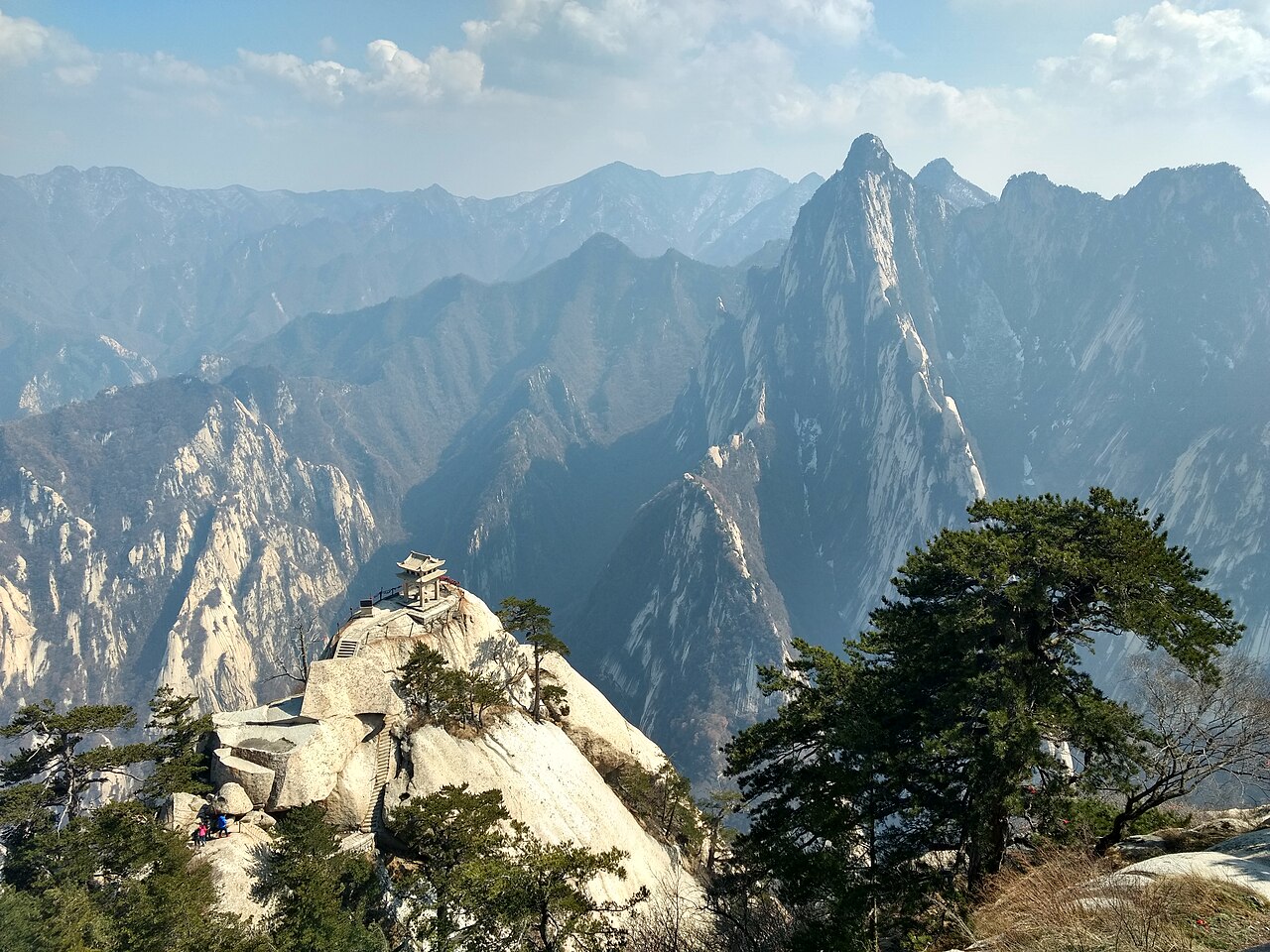
Two routes on Huashan are managed separately from the rest of the mountain: Changkong Zhandao, the plank walk, and Yaozi Fanshen. The scenic area states that each has a saturation capacity of 150 visitors a day, admitted in batches of 30, with each batch taking between 1.5 and 2 hours.
Since 3 September 2024 the scenic area has run a booking system for the safety-belt rental on both paths. Tickets for the day are released at 06:30 each morning, and visitors must present their own identity document and pass a security check. The area also states that a ticket not checked within 30 minutes of its start time is voided and refunded.
Height, age and health limits are enforced
The two paths have different entry requirements, and they are medical as well as physical. Changkong Zhandao requires a height of at least 150 cm. Yaozi Fanshen requires at least 160 cm, an age between 15 and 55, and good health.
The scenic area states plainly that visitors with coronary heart disease, heart conditions, high blood pressure or a fear of heights are not permitted. Metal objects and sharp items are banned, as are bare feet, sandals, pets, skirts and high heels. Use only the scenic area’s own booking channels rather than a reseller.
Plan the mountain around weather and closures
Mountain operations change with conditions. Parts of the Huashan scenic area have been closed for periods, and such closures are announced through official channels rather than fixed in advance. Treat any route plan as provisional until the day itself.
The same caution applies on the ground: exposed sections are exposed to wind and rain, and the two restricted paths are among the first things to shut. Check the scenic area’s notice before travelling, not after arriving at the gate.
How to check that a guide is licensed
Guiding in China is a licensed activity. The Tourism Law provides that a person may apply for a guide certificate after passing the qualification examination and either signing a labour contract with a travel agency or registering with an industry organisation.
The practical test is simple: ask to see the electronic guide certificate. Official guidance is that its QR code can be verified through the national tourism supervision service, and that the certificate carries the guide’s name, number, languages and agency. Enforcement is real — the Tourism Law sets a fine of 1,000 to 10,000 yuan for guiding without a certificate, and 5,000 to 50,000 yuan for an agency that assigns unlicensed staff.
Souvenir shops and the hard sell
The places most likely to test your judgement sell high-value goods: jade, “antiques” and packaged local specialities around the main sights. A shop that pushes a purchase, quotes a “discount” available only today, or claims an object has religious power is giving you a reason to walk away.
Prefer ordinary shops with displayed prices, and treat any claim about an object’s origin as unverified unless the seller can document it. There is no obligation to buy, and leaving is always an option. If you feel pressured, that is itself the signal.
Crowds, belongings, and if something goes wrong
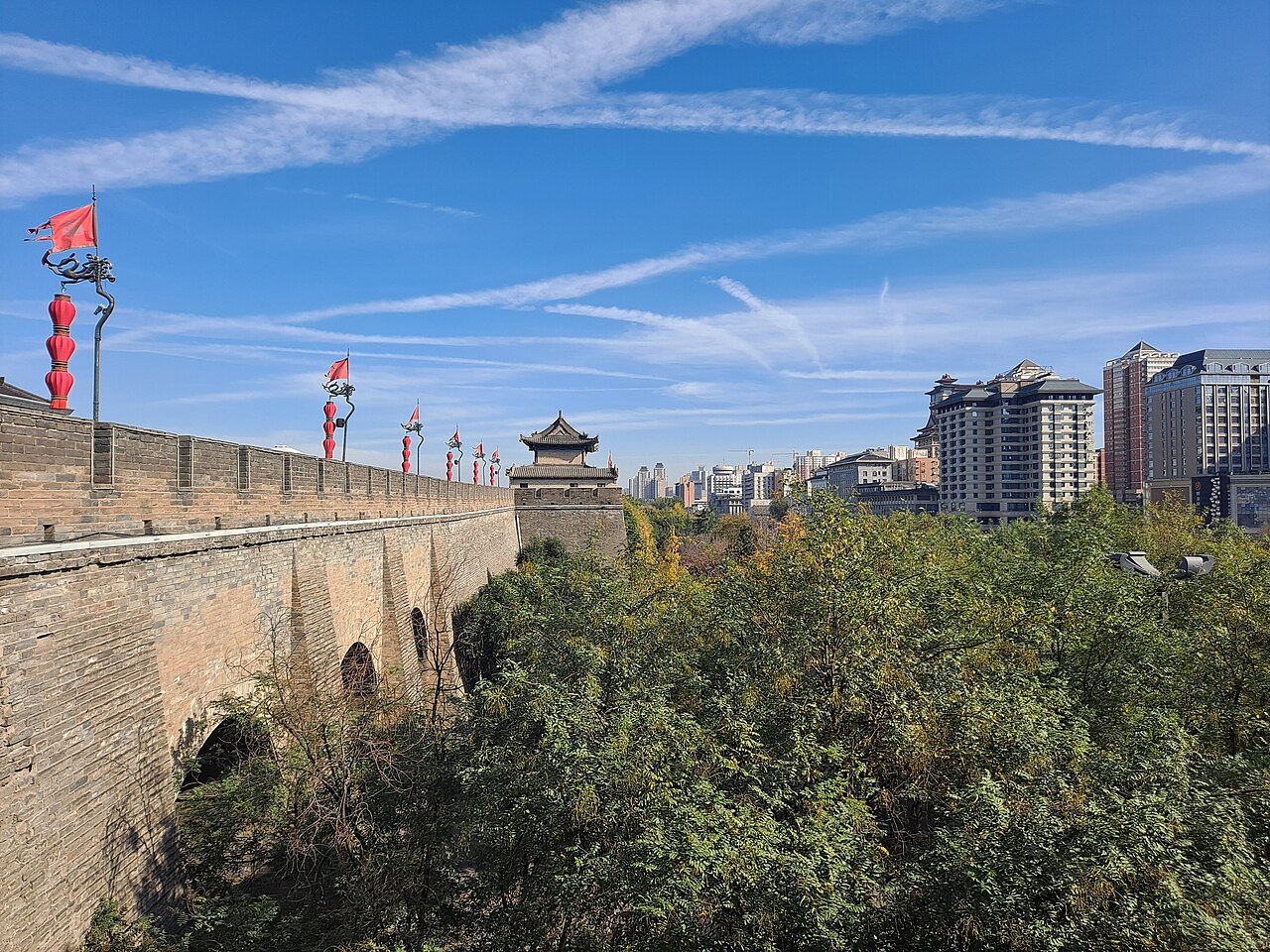
The busiest areas — around the Bell and Drum Towers, the food lanes and the evening pedestrian streets — are where belongings go missing. Keep phones and wallets where you can feel them, carry bags in front of you, and agree a meeting point before a group separates. On the wall, follow the posted direction of travel.
If something does go wrong, keep whatever evidence you can and report it through the 12345 government service hotline or to the local culture and tourism department. For travel services arranged through XianBeyond, tell us as well: services are arranged with a licensed agency partner, and we can help clarify what was agreed.
Sources & further reading
- Huashan Scenic Area: announcement on the safety-belt booking system for Changkong Zhandao and Yaozi Fanshen (via Shaanxi Net)
- Tourism Law provisions and enforcement cases on unlicensed guides (Inner Mongolia Culture and Tourism Department)
Itineraries are XianBeyond’s suggestions. Check the operator’s current admission, transport and closure notices before travelling.