History
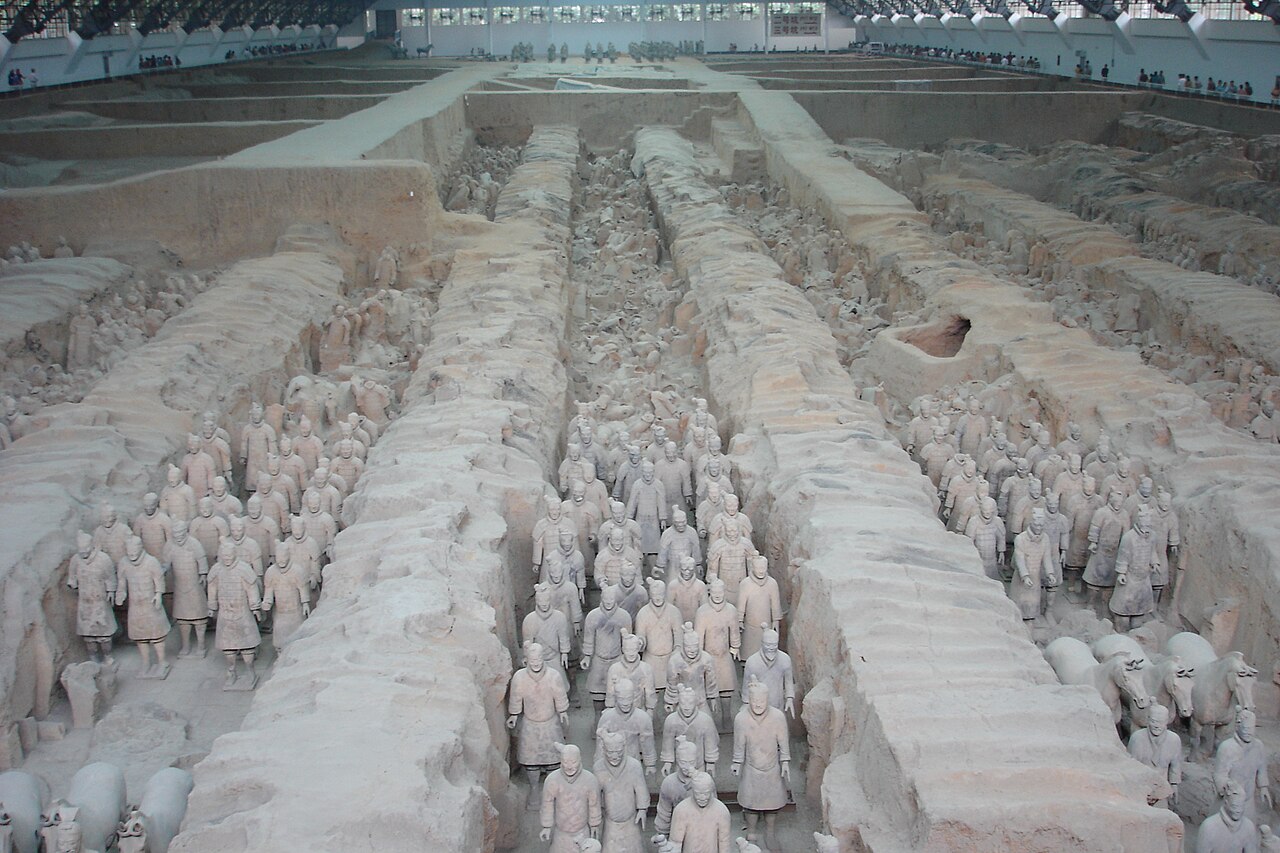
The Terracotta Army: a world built for an emperor
Read the ranks as archaeology: imperial ambition, organised craftsmanship and the work of piecing a buried world together.
Read the storyRead the ranks as archaeology: imperial ambition, organised craftsmanship and the work of piecing a buried world together.
Read the story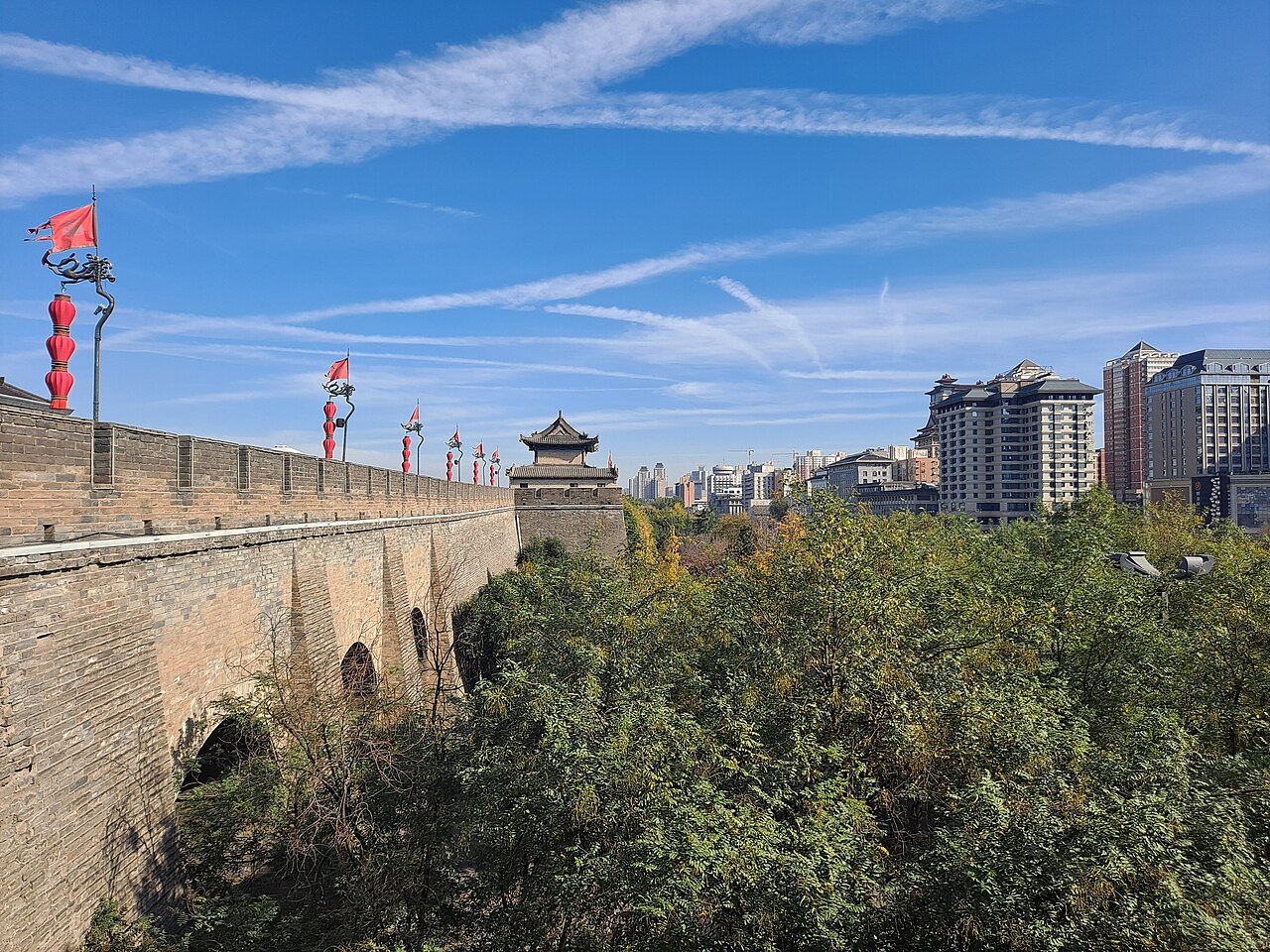
The wall belongs to a later chapter than the Terracotta Army or Tang Chang’an. That is what makes it such a useful viewpoint.
Read the story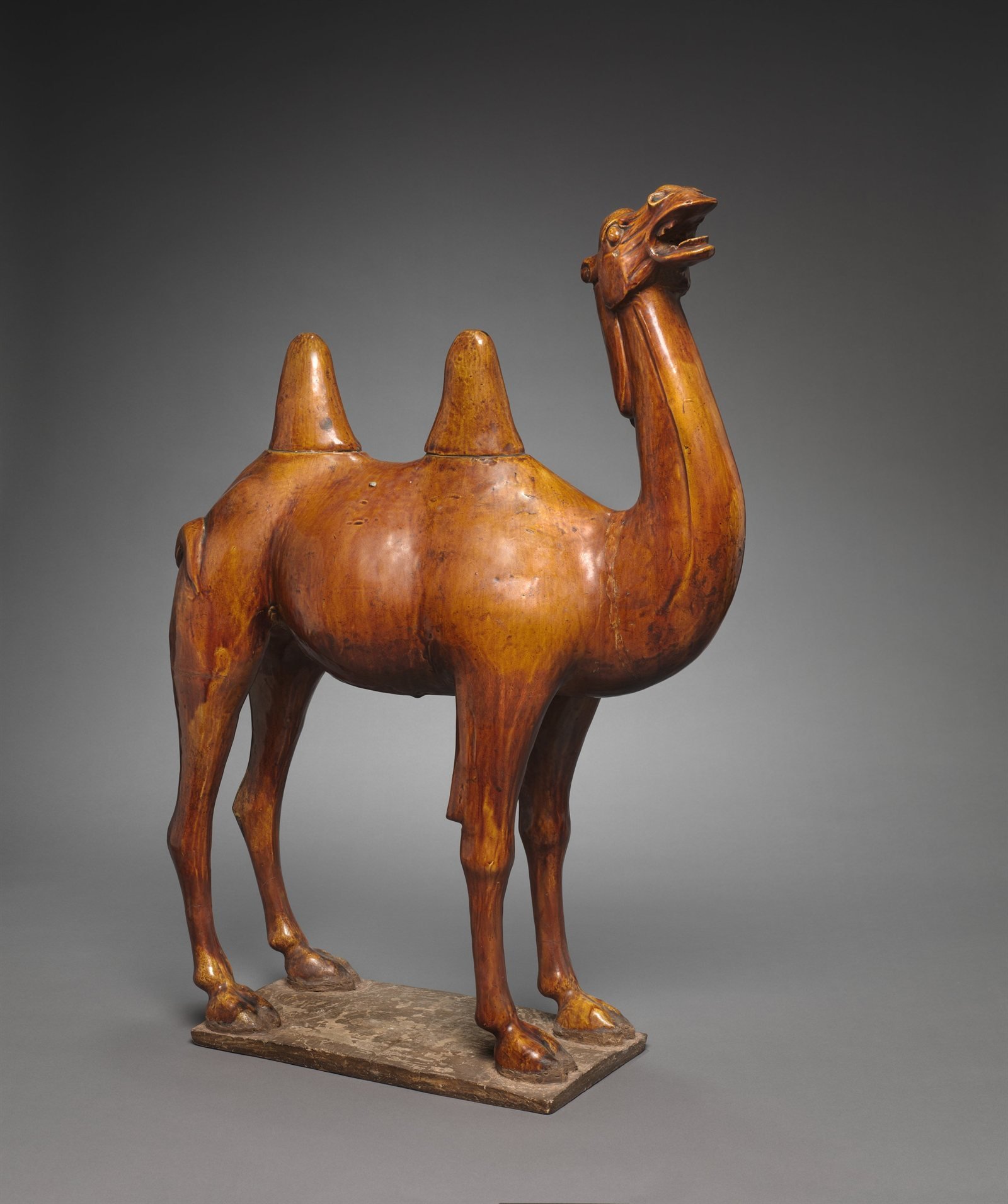
Palaces, markets and Buddhist connections explain a city whose original footprint is larger than the familiar walled centre.
Read the storyThe familiar relocation story opens a larger question: how did a city’s centre move, and what do the records actually establish?
Read the story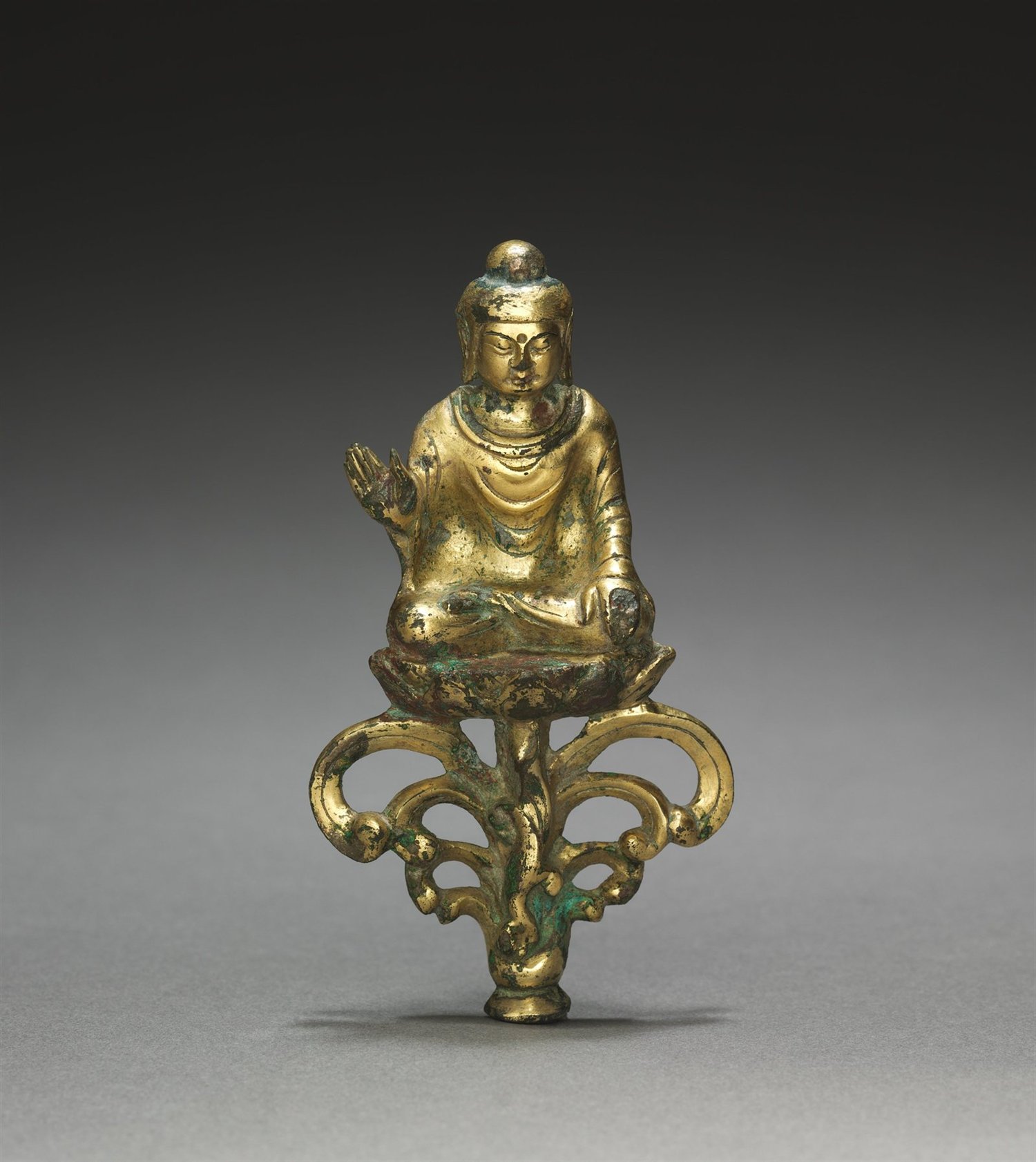
A Buddhist scholar’s search for texts connects Chang’an with a much wider world than the later novel alone suggests.
Read the storyA diplomatic journey, not a plan for a tourist route, stands behind one of the best-known Silk Roads stories.
Read the storyThe name Xi’an dates only from 1369, yet this ground has carried nine recorded names. What each one meant, and where the layers still show.
Read the storyEvery figure was finished in colour over a layer of lacquer. Almost all of it left within minutes of excavation, and that loss is the real story.
Read the storyA limestone block cut in 781 and buried for centuries records, in Chinese and Syriac, how a monk called Alopen was escorted into Chang’an.
Read the storyThe name is modern and the route was never a single road. What the caravans carried, how far each one travelled, and what a Han mission really achieved.
Read the story
China’s only woman to rule as emperor left a tomb, a blank stele and no contemporary biography. What the surviving histories can and cannot establish.
Read the storyThe temple beside it is Ming, not Tang, and the pagoda has been five storeys, ten, and seven. What the Xi’an records say about the tower.
Read the storyMost of the Tang capital lies under modern Xi’an. What survives above ground, what has been excavated, and how the city was laid out in the first place.
Read the storySogdian merchants, Persian traders and students who stayed: who you would have passed in the Tang capital, and what the law said about them.
Read the storyRead the Tang palace through its layout and archaeology, then choose a manageable route through the heritage park.
Read the story