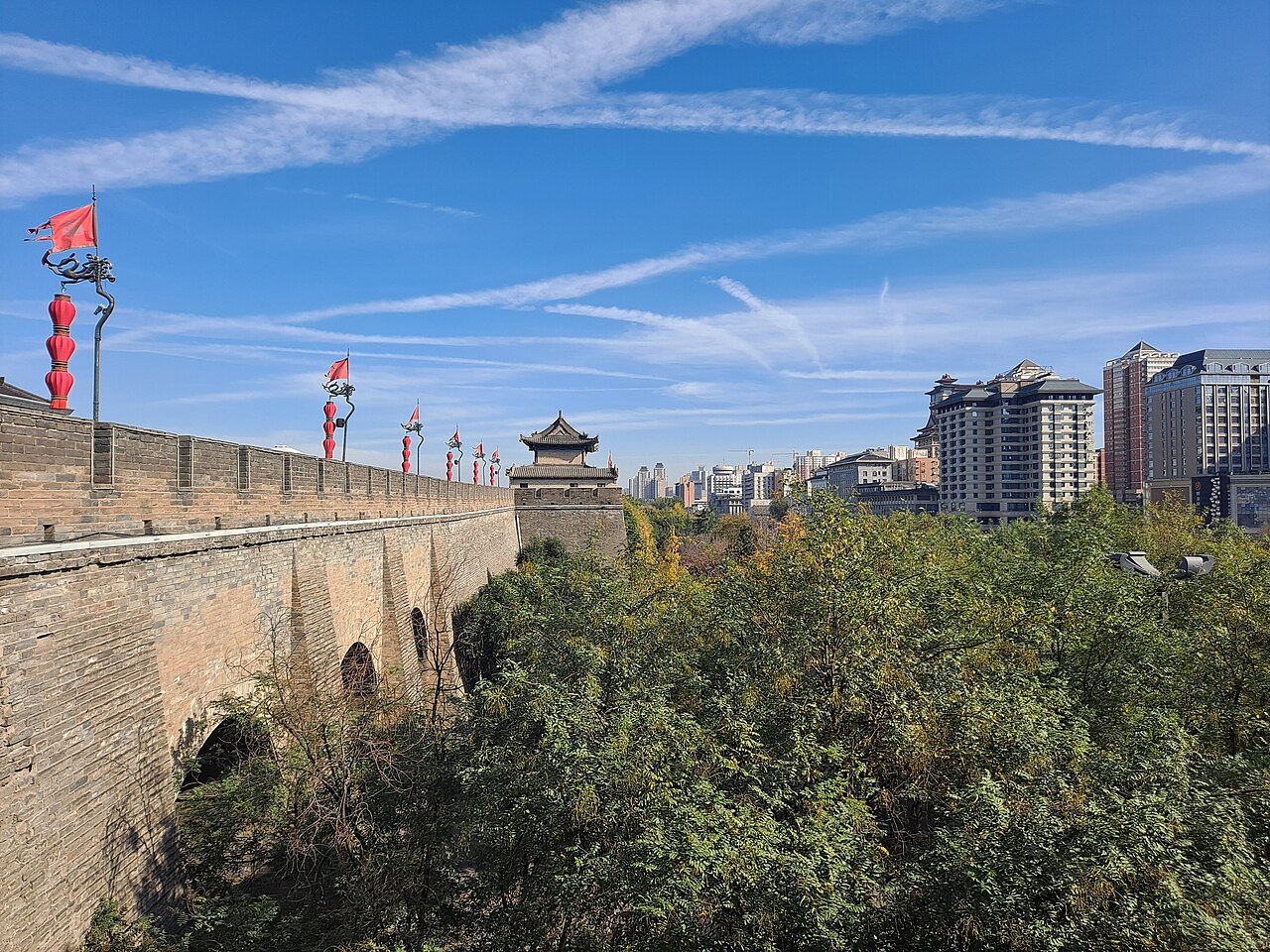
Expect archaeology, not furnished imperial rooms
Daming Palace was a major centre of Tang imperial government. Today, the useful starting point is the difference between that historical palace and the heritage park presenting its remains. Do not expect an intact sequence of furnished halls comparable to a standing palace museum.
The original buildings have been lost. Archaeological remains, protected foundations, site interpretation and modern visitor structures do different jobs. At each stop, ask what is original material, what has been conserved and what has been added to help explain the site. That question makes the open space easier to understand.
Use the plan before collecting building names
The municipal historical account places Danfeng Gate and the principal halls along a central axis, with Taiye Pool and other spaces farther back. Read those relationships on the site plan before deciding how much ground to cover. A palace was an arrangement of approaches and spaces, not simply one impressive building.
Hanyuan Hall offers a useful focus for thinking about the formal side of court life. Rather than trying to imagine every room, compare the position of the hall with the approach to it. The scale and organisation can suggest questions about ceremony and access even where the building itself no longer stands.
Choose a visit you can comfortably finish
Our suggestion is to choose one part of the site and its interpretation first, then extend the walk if time and energy allow. A large park can absorb more of the day than a cluster of city-centre monuments. Check the exact entrance, your intended exit and any internal transport before setting out.
Confirm which areas, museums or temporary activities are included in the current ticket you are considering. Older official visitor pages contain dated prices and transport details; they should not be treated as today’s booking instructions. Keep a weather alternative, water and a rest break in the plan, and ask about step-free access if it matters to your group.
Connect the palace with the rest of Xi’an
The modern heritage park opened in 2010 following a major conservation and urban redevelopment project. Its present appearance therefore tells a story about choices made to protect and present archaeology as well as about the Tang court. Modern interpretation can be useful without being an original palace structure.
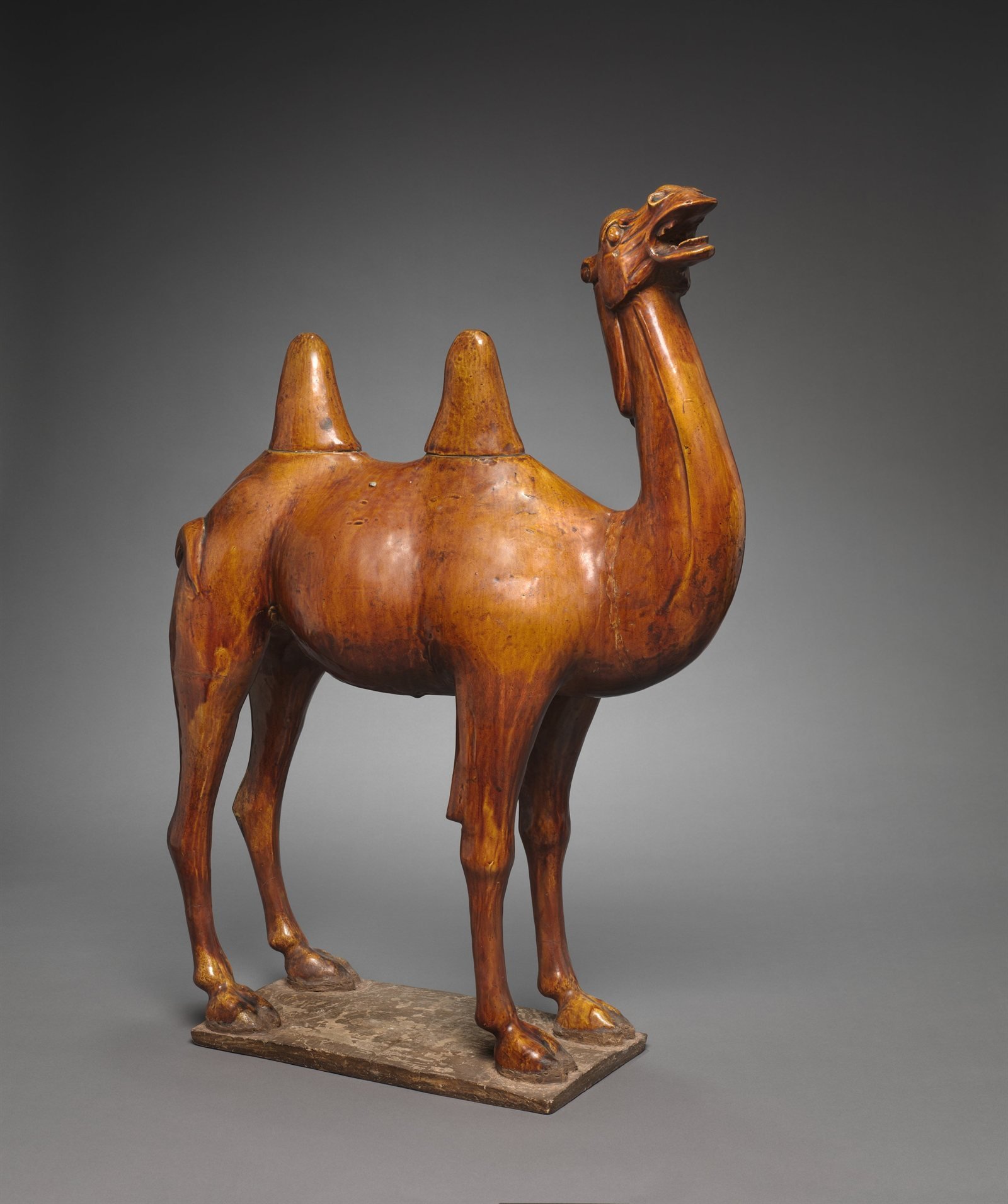
Pair the visit with the Tang Chang’an story or with museum objects if you want to connect urban scale with everyday materials and skills. A Tang object in a museum is not automatically from this palace, so read its provenance. Leave time afterwards for an ordinary meal rather than turning the visit into another long list of stops.