Imagine a different outline
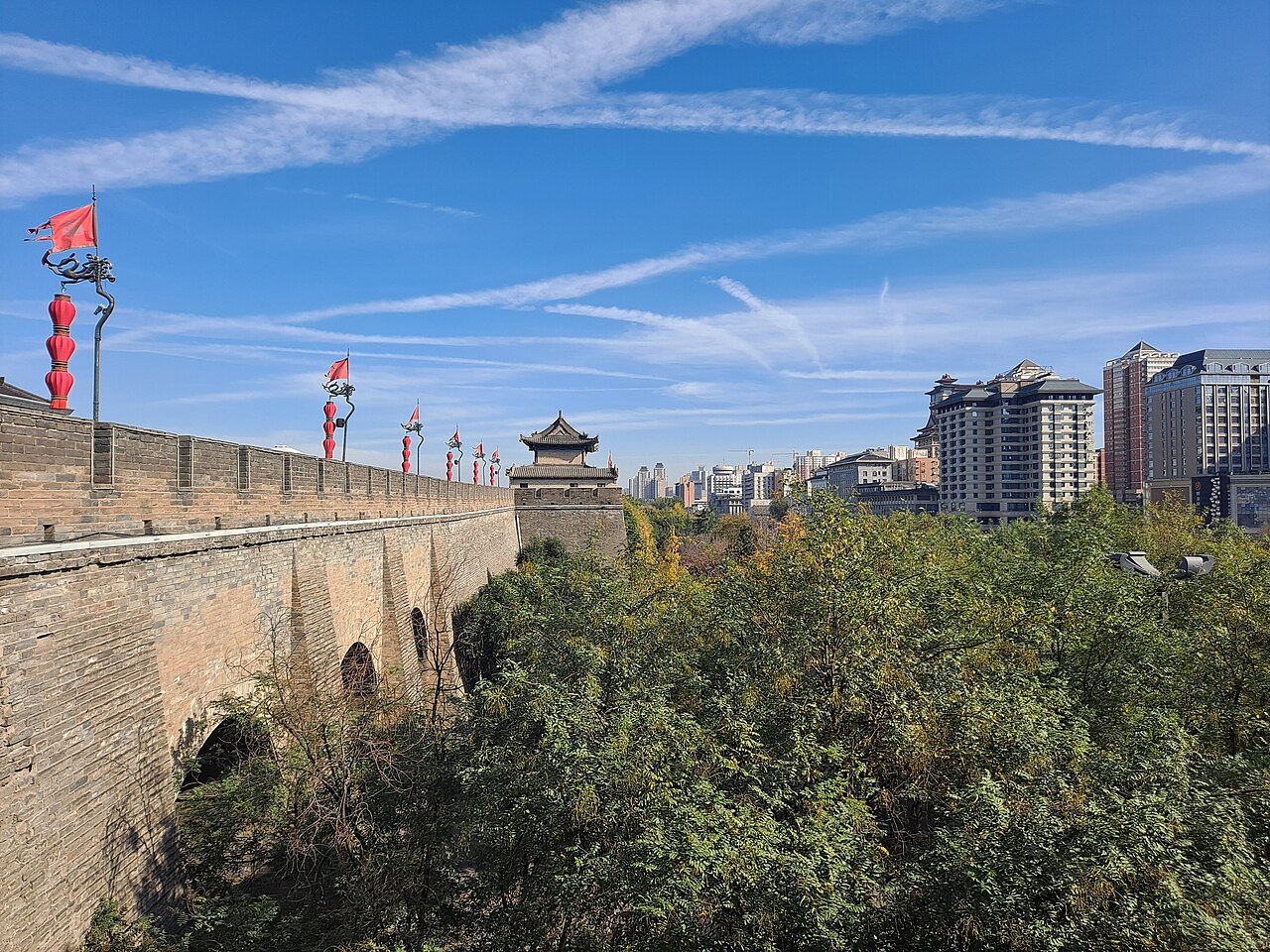
The city within Xi’an’s surviving wall is not the full Tang capital. To understand Chang’an, begin by setting aside the modern tourist map. The Sui and Tang city followed a much larger planned layout, with palace areas, broad avenues, residential wards and designated markets.
Most of that city must be understood through archaeology, historical accounts and objects. This can initially feel less immediate than entering a standing palace. But a plan, a foundation and an object together can reveal how a capital was organised.
A capital was a system of places
The palace represented imperial authority, while markets, temples and residential areas supported very different activities. Thinking about their relationship is more useful than picturing one endless street of grand buildings. The city’s layout shaped where people lived, traded and approached power.
The ward system also reminds us that a historical city did not necessarily offer the unrestricted movement of a modern neighbourhood. Boundaries, gates and rules formed part of urban life. Any reconstruction of that life must allow for change across the long Tang period.
Connections reached beyond the city
The UNESCO-listed Chang’an-Tianshan corridor places the capital within a network of routes connecting regions of Eurasia. Movement involved more than silk: people, religious teachings, artistic ideas and practical knowledge travelled as well.
A cosmopolitan capital was not a place without boundaries or tensions. Different communities and visitors met within particular social and political conditions. It is better to look at specific evidence of exchange than to reduce the city to a modern slogan about openness.
Read the city through what remains
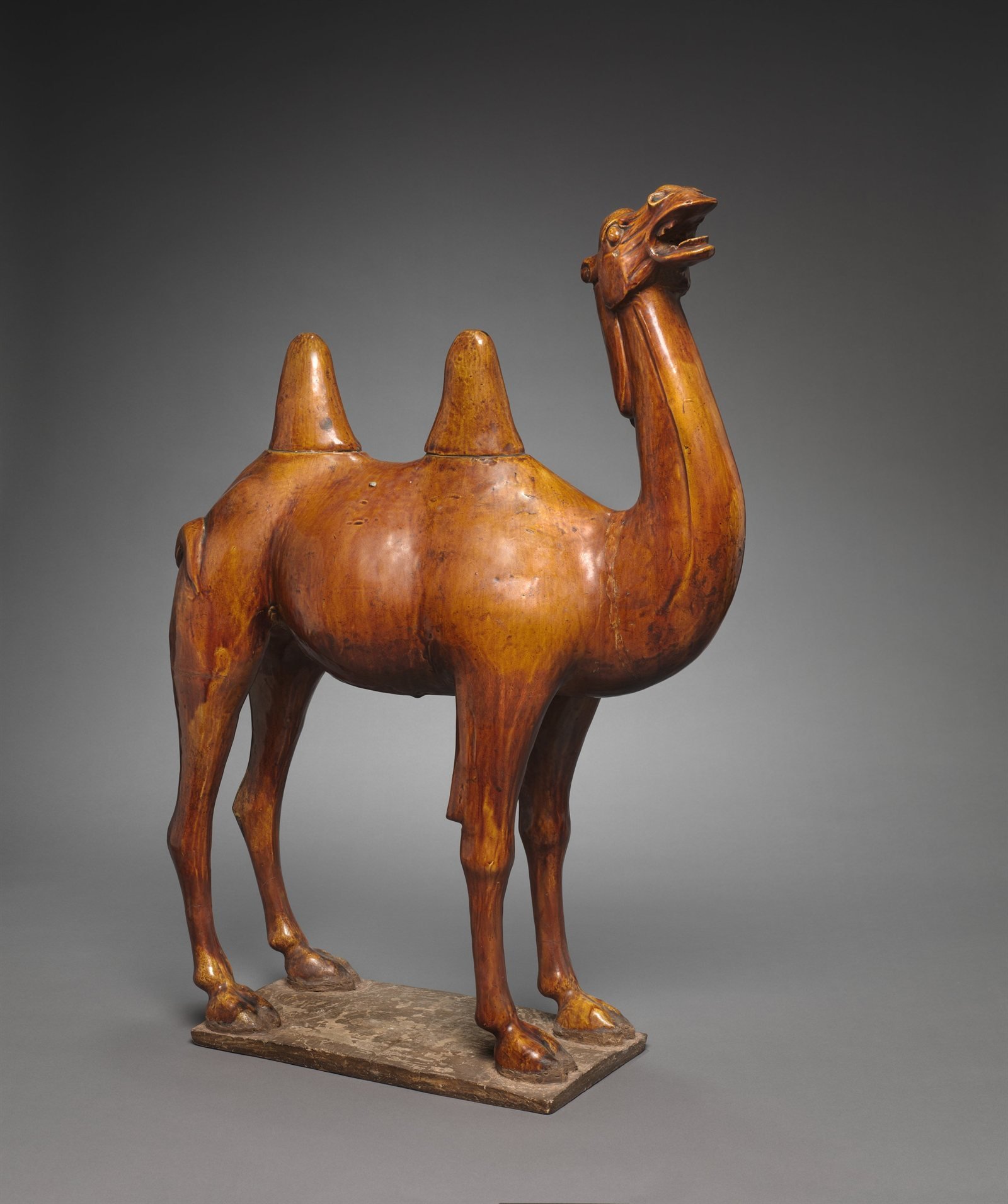
The Big and Small Wild Goose Pagodas, palace archaeological sites and museum collections offer different approaches to the Tang story. A pagoda connects architecture with religious practice; a palace site makes scale and layout visible; an object can bring attention back to an individual technique or activity.
Keep original remains, restored structures and modern interpretation distinct. A Tang-themed shopping or entertainment street can be enjoyable, but it is not an excavated Tang street. Both have a place in a visit when their different roles are clear.
Leave the world rankings behind
Claims about the “largest city in the world” depend on dates, boundaries and uncertain population estimates. You do not need a ranking to appreciate Chang’an’s importance. Its organisation and international connections give you plenty to explore without a dubious comparison to another capital.
Choose a museum or archaeological site that matches your interests, then spend time with its interpretation. A single carefully understood place can make the vanished city easier to imagine than a long sequence of brief photo stops.